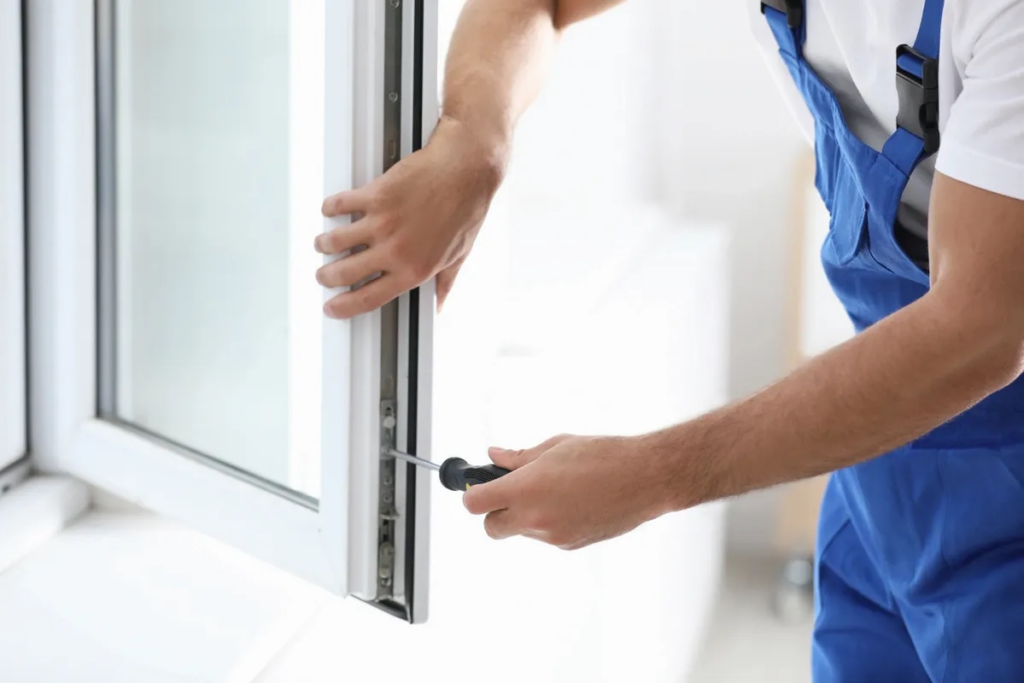
The Reasons Window Frame Repair Is Everywhere This Year


Window Frame Repair: A Comprehensive Guide
Windows are more than simply openings that let light and fresh air into a home; they are important to the structure and energy efficiency of the building. In time, window frames can degrade due to various factors like weather condition, wear and tear, and poor upkeep. Fixing window frames is important to preserve the integrity of the home and make sure optimal performance. This thorough guide will stroll you through the steps to repair window frames, consisting of common issues, products needed, and step-by-step guidelines. In addition, we'll address some frequently asked concerns to assist you browse the procedure.
Typical Issues with Window Frames
- Breaking and Splitting
- This is frequently brought on by direct exposure to extreme weather condition conditions, such as direct sunlight and harsh winter seasons.
- Decaying
- Wood frames are especially susceptible to rot due to moisture accumulation.
- Drafts
- Gaps in the frame can cause air leaks, decreasing energy performance.
- Distorted Frames
- Contorting can take place due to humidity modifications and improper setup.
- Fading and Discoloration
- UV rays can trigger paint and wood to fade over time.
Tools and Materials Needed
Materials:
- Wood filler or epoxy
- Caulking (silicone or polyurethane)
- Primer and paint
- Replacement parts (if needed)
- Weatherstripping
Tools:
- Screwdriver
- Hammer
- Sculpt
- Sandpaper
- Paintbrush
- Caulking weapon
- Drill
- Level
- Measuring tape
- Safety safety glasses
- Work gloves
Step-by-Step Guide to Window Frame Repair
1. Assess the Damage
- Begin by determining the type and level of the damage. Examine for fractures, rot, drafts, and warping.
- Utilize a flashlight to check areas that are difficult to see, such as corners and joints.
2. Tidy the Frame
- Remove any loose particles, paint chips, and dirt from the frame using a moist cloth and cleansing option.
- Allow the frame to dry entirely before continuing.
3. Repair Cracks and Splitting
- For little cracks, apply wood filler or epoxy. Smooth it out with a putty knife and let it dry according to the maker's instructions.
- For bigger splits, use wood glue. Apply the glue to the split, secure the frame, and let it dry over night.
4. Address Rotting Wood
- If the frame is made of wood and reveals signs of rot, you'll need to remove the broken areas.
- Use a sculpt and hammer to thoroughly eliminate the decayed wood.
- Tidy the location and use a wood hardener to the remaining wood.
- Once the hardener is dry, fill deep spaces with wood filler or a rot repair kit.
- Sand the fixed area till it's smooth and even.
5. Repair Drafts
- Identify the source of the drafts. Typical perpetrators consist of spaces in between the frame and the wall, and damaged weatherstripping.
- Apply caulk to seal spaces between the frame and the wall. Utilize a silicone or polyurethane caulk for a lasting seal.
- Replace old weatherstripping with new, top quality strips. Step and cut the strips to fit the window frame, and install them according to the maker's instructions.
6. Straighten Warped Frames
- For minor warping, use a wetness treatment. Use an option of water and white vinegar to the distorted location, and then cover it with plastic to help the wood soak up the wetness.
- For more extreme warping, you may require to get rid of the frame and replace it with a brand-new one. Ensure casement window repair -new frame is properly sized and installed to prevent future concerns.
7. Paint and Finish
- Once all repairs are total, sand the frame to guarantee a smooth surface area.
- Apply a coat of guide to the repaired locations to prepare them for painting.
- Paint the frame with a premium outside paint. Use a paintbrush or roller to use an even coat, and permit it to dry totally.
8. Check the Window
- After the paint has dried, open and close the window to ensure it runs smoothly.
- Look for any remaining drafts or spaces and make additional changes as needed.
Frequently Asked Questions About Window Frame Repair
1. How frequently should I check my window frames?
- It's an excellent practice to inspect your window frames a minimum of once a year, preferably before the onset of winter season to identify and repair any problems that could aggravate during the cooler months.
2. Can I repair a badly damaged window frame myself?
- Small repairs can often be handled by yourself, but extreme damage might require expert support. If the frame is thoroughly decayed or deformed, it's best to consult an expert to avoid further damage.
3. What kind of caulk is best for window frames?
- Silicone or polyurethane caulk is suggested for window frames due to their sturdiness and resistance to extreme weather. These kinds of caulk offer a long-lasting seal that can withstand temperature variations and moisture.
4. Is it necessary to prime the window frame before painting?
- Yes, priming is crucial. It assists the paint adhere better and supplies a smooth, consistent surface area. Priming likewise seals the wood, avoiding it from soaking up wetness, which can lead to further damage.
5. Can I utilize the very same weatherstripping for all kinds of windows?
- No, different types of windows might need various types of weatherstripping. For example, moving windows typically utilize V-strip or bulb-type weatherstripping, while double-hung windows may use foam tape or adhesive-backed weatherstripping. Constantly select the proper type for your window to guarantee an appropriate seal.
6. What should I do if the window frame is completely decomposed?
- If the frame is totally decomposed, it will need to be replaced. Procedure the existing frame, buy a brand-new one, and install it according to the producer's guidelines. Alternatively, you can employ an expert to handle the replacement.
7. How can I prevent window frame damage in the future?
- Regular maintenance is key. Check and clean up the frames annually, reapply caulk and weatherstripping as needed, and make sure proper drain around the windows to prevent water buildup. Furthermore, keep the frames painted to secure them from the components.
Additional Tips for Window Frame Repair
- Safety First: Always use security goggles and work gloves when working with tools and products. Ensure the area is well-ventilated, particularly when using caulk or paint.
- Weather condition Considerations: Avoid dealing with window repairs during severe climate condition. High humidity can impact the drying time of caulk and paint, while extreme cold can make products brittle and challenging to work with.
- Professional Help: If you're unsure about any part of the repair procedure, do not be reluctant to call an expert. They can supply professional guidance and ensure the repairs are done correctly.
Window frame repair is an essential element of home upkeep that can substantially affect the comfort and energy efficiency of your living space. By following the actions described in this guide and attending to common problems like breaking, decomposing, and drafts, you can extend the life of your windows and maintain the visual appeal of your home. Routine evaluation and prompt repairs can conserve you time and cash in the long run, guaranteeing your windows remain functional and stunning for many years to come.